A creeping managerial nightmare that tests moral sight
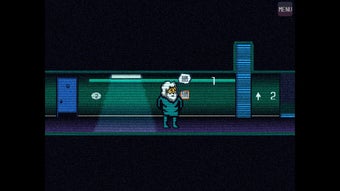
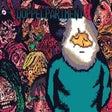
Doppelpartment, by A. V. Dossow, casts you as an elderly apartment manager confronting doppelgangers. The game blends investigative simulation and psychological horror through tenant interviews, rent rounds, and reporting to a soldier. Key systems include randomized imposter encounters, four branching endings, and a performance ranking that grades your decisions. Intended for indie-horror fans and players who enjoy short, tense narrative runs with repeatable outcomes and observational challenge.
What kind of game is this investigative horror experience?
So, the game places the player in a mundane job that becomes uncanny; you collect rent, check on tenants, and decide who is human. The core loop is investigative: examine behavior during routine interactions, flag suspects to a soldier, and live with the consequences. The premise ties mundane clerical tasks to escalating dread, which shapes each session’s moral stakes and forwards the narrative toward one of four endings.
Does it offer modes and mechanics that support repeated play?
Thus, replay value is structural rather than cosmetic: randomized doppelganger encounters and progressive tenant mutations change each playthrough. A performance-based ranking system (Perfect, Average, Awful) quantifies outcomes and encourages different approaches to identification and mercy. Short session length and branching conclusions make multiple runs practical for players who want to test hypotheses about behavior and experiment with alternative moral choices.
What does the game look and sound like, and how does that affect tone?
The developer’s hand-drawn pixel art delivers low-fidelity, unsettling visuals that emphasize body horror during progressive mutations. The original soundtrack composed by the developer underscores creeping paranoia rather than jump scares. Interface demands are modest because interactions center on dialogue and observation, so the presentation pushes atmosphere through art and music more than complex HUD elements.
Is the learning curve and progression aligned with the concept?
Some aspects are a little all over the place because the design expects players to infer patterns from behavior rather than offering explicit tutorials. The game rewards close attention and moral judgment; players who favour detective-style deduction adapt quickly, while those preferring guided onboarding may find the initial week opaque. The ranking outcomes and four endings give measurable progression tied to player choices rather than level-based unlocks.
Doppelpartment rewards patient observation and moral testing
Doppelpartment is a focused pick for players who enjoy short, tense narrative experiments that hinge on choice and perception. It suits those who appreciate atmospheric pixel art and music that shape dread, and who accept minimal hand-holding in favor of emergent moral consequence. Expect a compact, repeatable experience that asks whether you can tell a human from a monster under pressure.